Asian Massage: A Holistic Approach to Health and Wellness
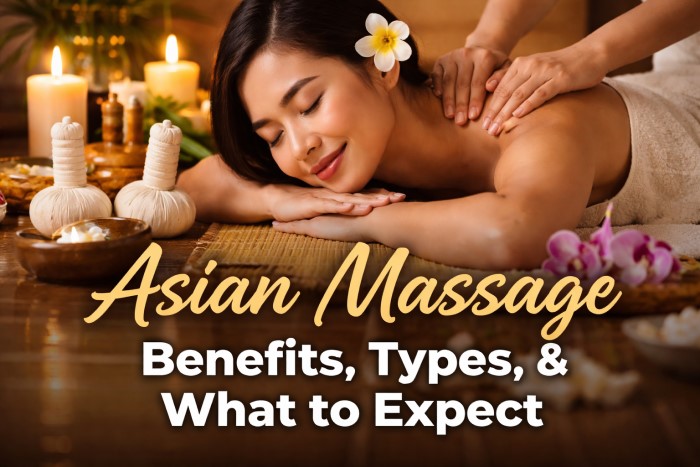
Asian massage has been practiced for thousands of years, with its origins deeply embedded in the ancient healing traditions of China, Japan, India, Thailand, and other parts of Asia. These massage techniques not only focus on physical relief but also aim to restore balance and harmony within the body and mind. Whether you’re looking for relaxation, stress relief, or therapeutic benefits, Asian massage offers a wide range of techniques that cater to your specific needs.
In this article, we will explore the various types of Asian massage, the benefits they provide, and why these ancient practices remain relevant in today’s fast-paced world.
What Is Asian Massage?
Asian massage is a category of therapeutic practices derived from ancient Asian medicine and philosophies, including Traditional Chinese Medicine (TCM), Ayurvedic medicine, and Thai wellness traditions. The techniques used in Asian massage focus on energy flow, acupressure, and the manipulation of soft tissue to restore balance to the body.
Unlike many Western massage styles that concentrate primarily on muscle relaxation and circulation, Asian massage often works with meridians (energy channels) or pressure points to target specific physical and emotional blockages. The goal is to treat the person as a whole, considering both their body and mind.
Types of Asian Massage
Asian massage encompasses a broad spectrum of styles. Here are some of the most popular and widely practiced techniques:
1. Shiatsu (Japan)
Shiatsu, which means “finger pressure” in Japanese, is a popular massage technique that applies pressure to specific points along the body’s energy lines. The practice is based on the concept of ki (energy) flowing through the body. By applying pressure using the thumbs, palms, and fingers, a practitioner aims to balance the body’s energy and promote health.
Shiatsu is known for its ability to relieve stress, alleviate tension, improve circulation, and stimulate the body’s natural healing process. It also incorporates stretching, joint mobilization, and manipulations to improve flexibility.
2. Tui Na (China)
Tui Na is one of the oldest forms of Chinese medicine and is an essential part of Traditional Chinese Medicine (TCM). It involves various hand techniques, such as kneading, rolling, and pressing, along with the application of acupressure along the body’s meridians.
Unlike other massage techniques, Tui Na often includes specific therapeutic exercises to strengthen and restore energy balance within the body. Tui Na practitioners also use their hands to guide the flow of energy, aiming to correct imbalances that might lead to physical discomfort or illness.
3. Thai Massage
Thai massage combines acupressure, stretching, and yoga-like postures to improve flexibility, increase circulation, and release muscle tension. Unlike Western massage techniques that are typically performed on a table with the client undressed, Thai massage is often performed on a mat while the client remains clothed.
A Thai massage session can be quite energizing, as the therapist uses their palms, elbows, feet, and thumbs to apply deep pressure and assist with gentle stretching. Thai massage is known for its ability to increase energy levels, reduce stress, and improve joint mobility.
4. Ayurvedic Massage (India)
Ayurveda is an ancient system of medicine that originated in India over 5,000 years ago. It focuses on balancing the three doshas (vata, pitta, and kapha) within the body to promote optimal health. Ayurvedic massage involves the use of warm herbal oils that are customized to the individual’s body type and health condition.
Ayurvedic massage techniques, such as Abhyanga (oil massage) and Shirodhara (oil poured over the forehead), aim to relax the nervous system, reduce stress, and improve circulation. It is also believed to detoxify the body, relieve pain, and promote mental clarity.
5. Reflexology
Reflexology is based on the principle that certain points on the feet, hands, and ears correspond to organs and systems in the body. By applying targeted pressure to these reflex points, reflexology aims to improve overall health and balance energy throughout the body.
Reflexology is often used to treat a wide range of conditions, from headaches and digestive issues to stress and anxiety. While it can be done on its own, it is also often used as a complementary therapy alongside other forms of massage.
6. Balinese Massage (Indonesia)
Balinese massage is a deeply relaxing and therapeutic massage that combines elements of acupressure, aromatherapy, and gentle stretching. Originating from Bali, Indonesia, this type of massage is designed to improve circulation, reduce muscle tension, and restore energy balance.
Balinese massage uses long, flowing strokes, along with pressure applied to specific points on the body. The use of essential oils adds an additional layer of relaxation and rejuvenation, making this massage popular for those seeking both relaxation and physical healing.
Benefits of Asian Massage
Asian massage is not only about relaxation; it offers a wide array of physical and emotional benefits. Here are some of the key advantages:
1. Stress Reduction and Relaxation
One of the most well-known benefits of Asian massage is its ability to reduce stress. Many of these techniques focus on calming the nervous system, allowing the body to relax and release built-up tension. By reducing stress, Asian massage helps to improve overall mental and emotional well-being.
2. Pain Relief and Muscle Relaxation
Whether it’s muscle pain from overexertion, back pain, or headaches, Asian massage can be highly effective in relieving discomfort. Techniques like acupressure, stretching, and kneading work to target and relieve tension in specific muscle groups.
3. Enhanced Flexibility and Mobility
Techniques such as Thai massage and Ayurvedic therapy incorporate stretching and joint mobilizations, which help increase flexibility, range of motion, and mobility. This can be especially helpful for individuals recovering from injury or experiencing stiffness due to sedentary lifestyles.
4. Improved Circulation
The deep pressure applied during various Asian massage techniques can help improve blood circulation. This is particularly beneficial for individuals with poor circulation, as it helps deliver oxygen and nutrients to tissues and organs throughout the body.
5. Detoxification and Improved Immune Function
Ayurvedic massage and other forms of Asian bodywork stimulate the lymphatic system, which plays a key role in detoxifying the body and boosting immune function. By encouraging lymphatic flow, these techniques help eliminate waste products and support the body’s natural detoxification process.
6. Emotional Balance
Many Asian massage techniques, such as Shiatsu and Thai massage, also focus on balancing emotional energy. By working with energy lines and pressure points, these techniques help to release emotional blockages, promote mental clarity, and improve overall emotional health.
Quick Info & FAQs About Asian Massage
Q1: What should I expect during an Asian massage session?
During an Asian massage session, you will typically be asked to lie on a mat or table while the therapist uses their hands, feet, or elbows to apply pressure to specific points on your body. Depending on the type of massage, the therapist may also incorporate stretching and yoga-like movements.
Q2: How should I prepare for an Asian massage?
It’s important to arrive at your massage session well-hydrated. If you’re receiving a Thai massage, make sure to wear comfortable clothing that allows for movement. For other types of massage, you may be asked to undress, although you will always be draped appropriately.
Q3: Can I combine Asian massage with other therapies?
Yes, Asian massage can be combined with other forms of therapy, such as acupuncture, chiropractic care, or Western massage techniques, to enhance overall health and healing.
Related Keywords: “Asian massage near me”
If you’re looking for a massage therapist or clinic offering Asian massage, simply search for “Asian massage near me” to find local options. Many massage spas and wellness centers provide various types of Asian massage, including Thai, Shiatsu, Tui Na, and more.