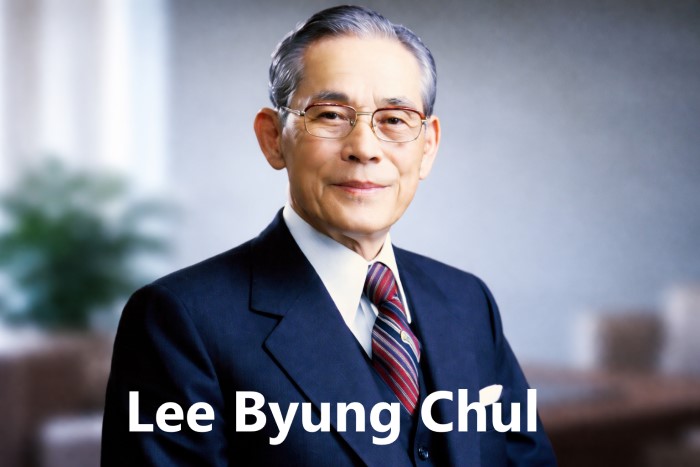
Lee Byung Chul: The Visionary Founder of Samsung
Introduction to Lee Byung Chul
Lee Byung Chul was the founder of the Samsung Group, one of the largest and most influential conglomerates in the world. Born in 1910 in South Korea, Lee’s vision transformed Samsung from a small trading company into a global technology giant. His entrepreneurial journey and unique business strategies have left a lasting legacy that continues to shape Samsung’s direction even today. This article will explore Lee Byung Chul’s early life, his role in Samsung’s rise, his leadership style, and the impact of his work on modern business practices.
Early Life and Education of Lee Byung Chul
Lee Byung Chul was born in Uiryeong County, South Gyeongsang Province, in Korea. His family came from a wealthy land-owning background that was part of the Korean aristocracy, known as the Yangban class. He attended Waseda University in Tokyo, Japan, to study economics but did not complete his degree, instead focusing on business ventures that would set the course for his future.
In 1938, at the age of 28, Lee founded Samsung Trading Co., a small trading company that initially dealt in groceries, dried fish, and noodles. This marked the beginning of what would eventually become one of the most powerful conglomerates in the world.
The Rise of Samsung: From Trading to a Global Conglomerate
Expanding Samsung’s Horizons
Samsung began as a small trading company, but under Lee’s leadership, it quickly diversified into other industries. Post-Korean War, Lee expanded into manufacturing and began venturing into textile mills and insurance. By the 1950s, Samsung had already become a diversified conglomerate with investments in multiple sectors, including construction, chemicals, and electronics.
One of the most significant turning points in Samsung’s history was Lee Byung Chul’s decision to enter the electronics market. In 1969, Samsung established Samsung Electronics, which initially focused on producing black-and-white televisions. At this stage, electronics was a modest part of the business, but Lee’s strategic vision would soon drive Samsung to become a leader in the technology sector.
Strategic Shifts and Technology
Lee’s strategic decisions were critical in shaping Samsung’s future. His long-term thinking allowed Samsung to transition from a textiles and trading company to a global powerhouse in electronics, telecommunications, and semiconductors. Under his guidance, Samsung took the crucial step of moving into high-tech industries, including computer chips, televisions, mobile phones, and more. This shift positioned Samsung as a global leader in technology, with the semiconductor division becoming one of the most profitable sectors of the company.
Leadership Style of Lee Byung Chul
Lee Byung Chul was known for his visionary leadership and his philosophy of hard work, discipline, and innovation. He believed that businesses should focus on creating value for society, and his leadership style emphasized quality control, strategic investments, and talent development.
One of Lee’s core beliefs was that business should not only focus on making profits but should contribute to the development of the nation. He was instrumental in the development of South Korea’s economy, and many consider his contributions to South Korea’s industrial growth to be immeasurable. His leadership style was also heavily based on personal integrity and loyalty, qualities that he valued in his employees and colleagues.
The Legacy of Lee Byung Chul
Samsung Today
Lee Byung Chul passed away in 1987, but his influence continues to shape Samsung. The company he founded has become a global leader in electronics and semiconductors, employing hundreds of thousands of people worldwide. Samsung is now a household name, especially known for its smartphones, televisions, memory chips, and consumer electronics.
Lee’s vision has been passed down to his children, notably his son Lee Kun Hee, who served as the chairman of Samsung until his passing in 2020. Under Lee Kun Hee’s leadership, Samsung’s technology division expanded significantly, making it a leader in the smartphone market and semiconductor production.
Samsung’s ongoing focus on research and development (R&D), quality control, and market expansion is a direct result of Lee Byung Chul’s long-term strategic thinking. The company’s dominant role in the global economy can be attributed to his initial vision and leadership.
Lee Byung Chul’s Contribution to Korean Economy
Lee’s business practices were crucial in shaping the economic structure of South Korea. He was instrumental in the creation of the Samsung Foundation of Culture in 1965, which helped foster the development of Korean culture. Through Samsung, Lee also helped shape the technological infrastructure of South Korea, contributing to the country’s rise as a global industrial leader.
Many credit Lee for fostering an environment where innovation and progress thrived. He contributed to the Korean economy’s transformation from a war-ravaged nation into one of the world’s most advanced economies.
Quick Info About Lee Byung Chul
- Full Name: Lee Byung Chul
- Born: February 12, 1910
- Died: November 19, 1987
- Nationality: South Korean
- Known for: Founder of Samsung Group
- Major Contributions:
- Transformed Samsung from a small trading company to a global tech leader
- Shaped South Korea’s industrial growth post-Korean War
- Established Samsung as a leader in semiconductors, electronics, and telecommunications
FAQs About Lee Byung Chul
1. What was Lee Byung Chul’s vision for Samsung?
Lee Byung Chul’s vision for Samsung was to create a company that would contribute to the economic development of South Korea while becoming a leader in global technology. His focus on innovation, quality control, and long-term investments led to Samsung’s dominance in industries such as electronics, telecommunications, and semiconductors.
2. What impact did Lee Byung Chul have on South Korea?
Lee Byung Chul’s leadership at Samsung was instrumental in the development of South Korea’s economy. He helped turn Samsung into a global leader in various industries, and through Samsung’s success, he contributed to the country’s rise as a major industrial power. His approach to business created a national model for innovation and economic growth.
3. Who succeeded Lee Byung Chul at Samsung?
After Lee Byung Chul’s death, his son Lee Kun Hee became the chairman of Samsung. Under Lee Kun Hee’s leadership, Samsung experienced massive growth in the technology sector, particularly in smartphones and semiconductors. His leadership helped Samsung become a global leader in consumer electronics and tech innovation.
Conclusion
Lee Byung Chul’s entrepreneurial spirit and visionary leadership helped transform Samsung from a small trading company into a global technology giant. His legacy continues to influence Samsung’s operations today, with the company remaining at the forefront of innovation, quality, and global business leadership. Through his strategic thinking and dedication to improving South Korea’s economy, Lee Byung Chul not only built a successful business but also contributed to the economic success of an entire nation.